Selected Engineering Work

Projects

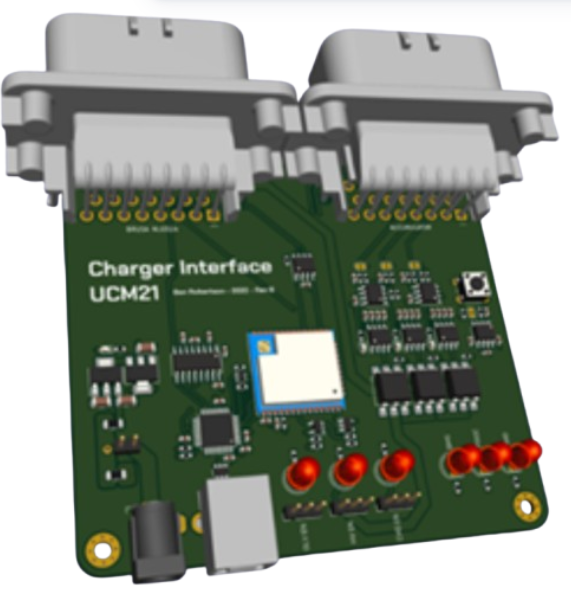
UCM battery charge display PCB render

Embedded Systems | Formula SAE

UCM Battery Charge Display System

What?

Designed and built a real-time battery charge display system for the UCM Formula SAE charging unit, giving the team direct visibility of charging data without needing external tools.

How?

Developed a 4-layer custom PCB around an ESP32-S3, integrated CAN-bus decoding, and displayed high-precision voltage and temperature readings on a 16x2 LCD. The design was reported as meeting the UCM team requirements and FSAE-A 2025 rules, with live data refresh rates up to 30 fps.
Assistive Technology | SaaSathon

Sip-and-Puff Assistive Communication System

What?

A predictive personal-notes app concept designed around sip-and-puff input to make daily writing more accessible and affordable for paraplegic individuals who may not be able to use a conventional keyboard and mouse. The project explored a lower-cost alternative to dedicated assistive writing systems using a personal prediction interface and simple input hardware.

How?

Combined a low-cost sip-and-puff hardware concept with a software interface using large targets, dwell-click support, stable predictions, and live learning. The hardware concept used pressure sensing, Arduino-based input, 3D-printed parts, and food-safe tubing, with the demo focused on fast template-based note writing.

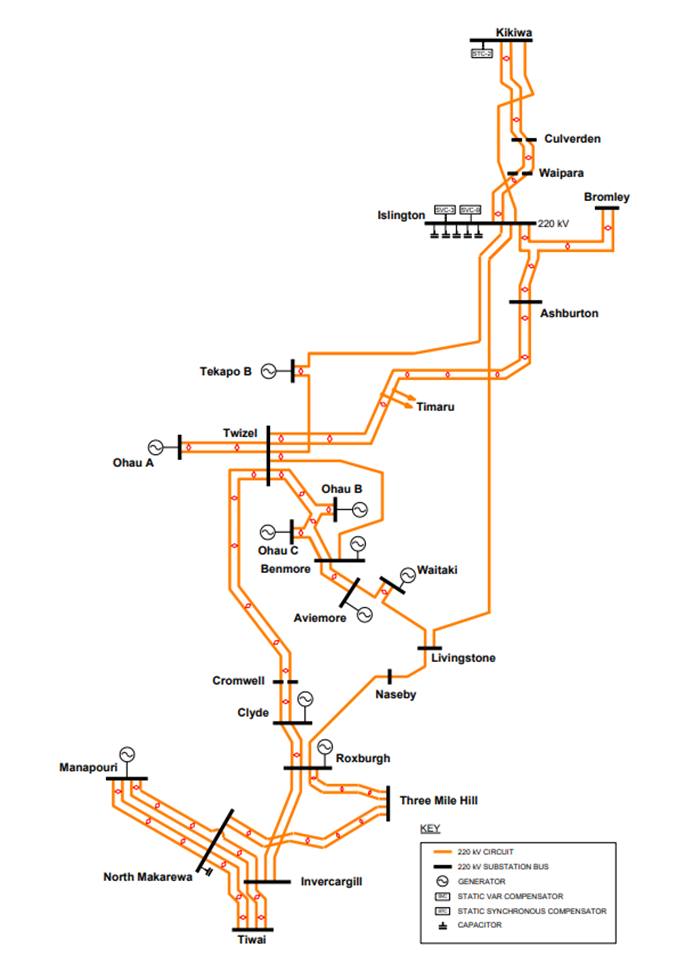
Original South Island transmission network model
Before
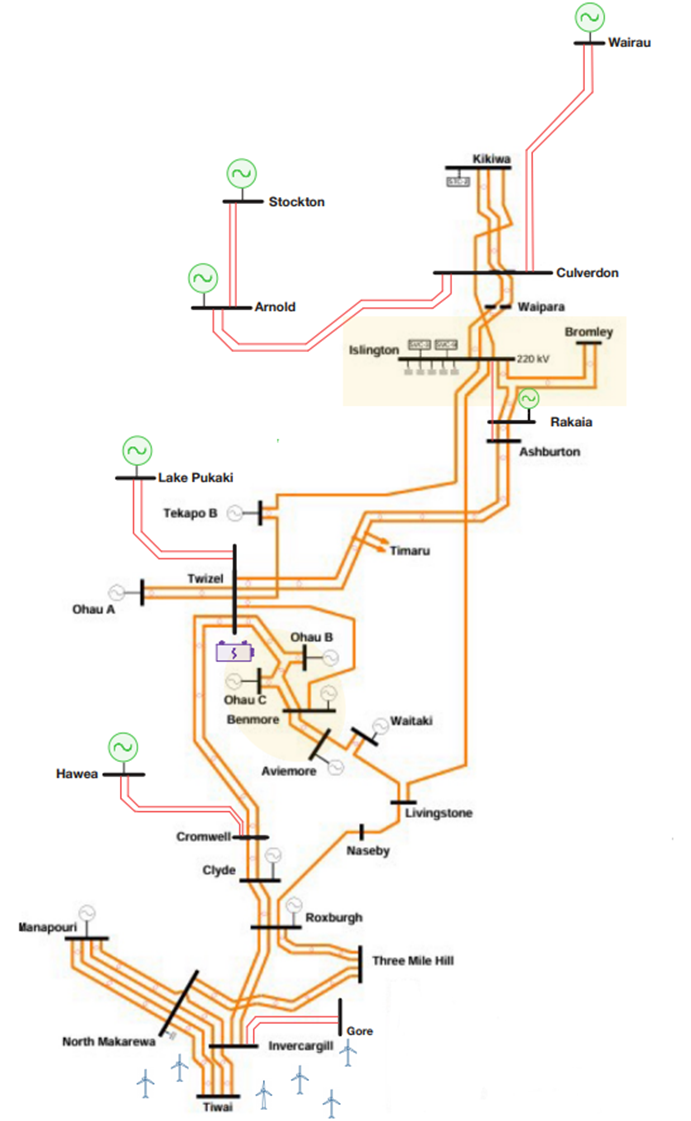
Modified South Island transmission network model after recommended upgrades
After

Power Systems | LFH

South Island Power System Planning Study

What?

A university planning study evaluating whether thirteen committed and proposed South Island grid developments could be accommodated in a modelled transmission system. The study considered demand growth, industrial electrification, HVDC changes, renewable generation, transformer loading, voltage limits, and fault levels.

How?

Used LFH load-flow and fault analysis to model network modifications, compare base and post-instate conditions, and develop a coordinated package of generation, transmission, voltage-support, transformer, and circuit-breaker upgrades. The final case converged with no overloaded circuits, reduced losses to about 70 MW, and identified 135 circuit breakers requiring replacement or uprating.

Robotic area surveyor PCB render Robotic area surveyor prototype photo

Robotics | Arduino

Robotic Area Surveyor

What?

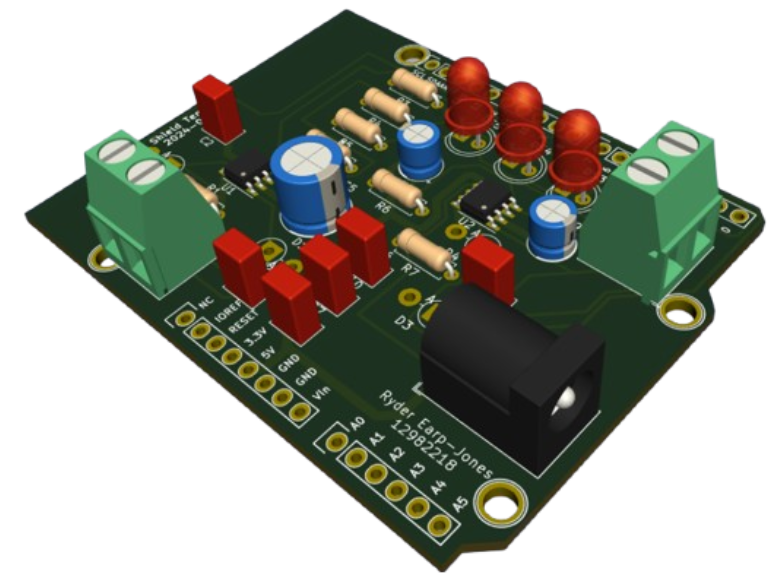
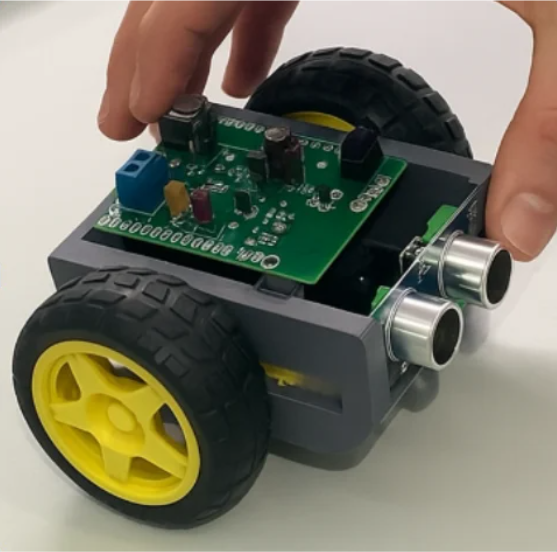
Built an Arduino-based robot to map under-house areas using ultrasonic sensing and real-time motion tracking, reducing the need for manual inspection in tight spaces.

How?

Implemented serial movement control, distance and angle tracking, obstacle avoidance, position logging, and onboard LED status indicators. Testing reported under-floor inspection time reduced by over 70% and obstacle detection accuracy within 5 cm.

Portable breathalyzer enclosure render Portable breathalyzer PCB render

Sensors | Arduino Nano

Portable Breathalyzer

What?

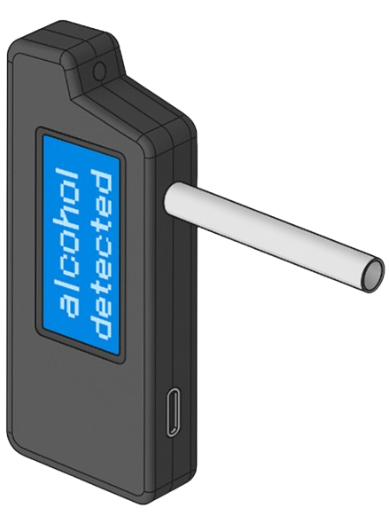
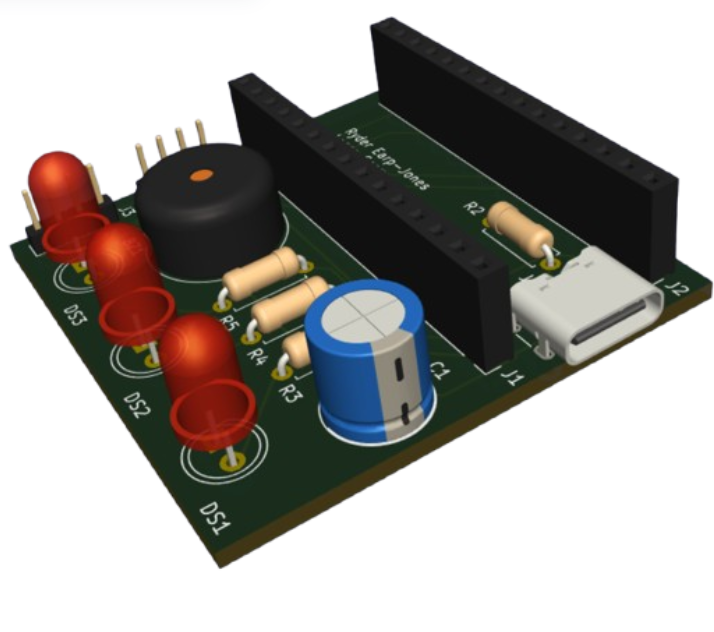
Designed and built a USB-powered portable breathalyzer using an MQ-3 alcohol sensor and Arduino Nano, removing the need for a battery in the prototype.

How?

Developed C++ firmware with three-sample averaging, real-time detection, LED/LCD/buzzer feedback, and a 3D-printed enclosure. The prototype reduced unit cost to under $40 NZD and achieved 100% detection accuracy at tested BAC levels at or above 154 ug/L, with response time under 6 seconds.

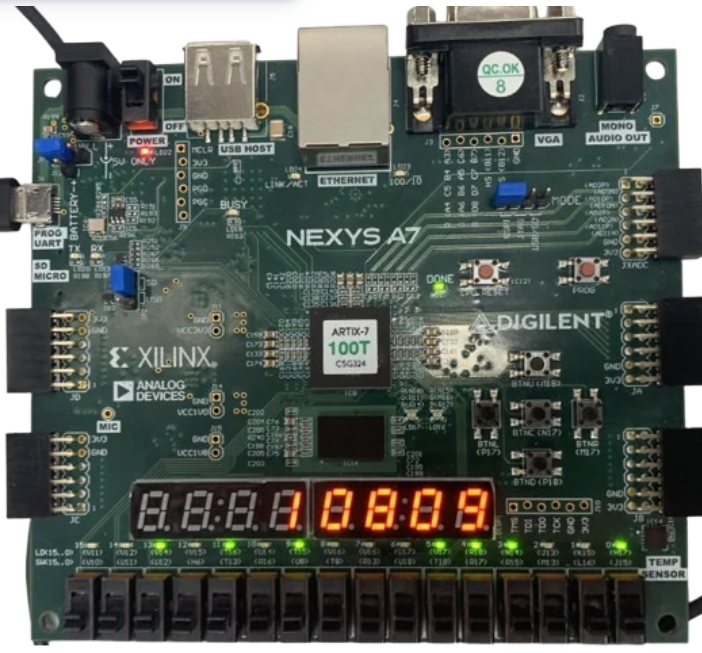
Nexys A7 FPGA board running reaction timer display

Digital Design | VHDL

FPGA Reaction Timer

What?

Developed a modular reaction timer on a Nexys 4 DDR FPGA using behavioural and structural VHDL across ten modules.

How?

Built modules for the FSM, ALU, LFSR-based PRNG, input debouncing, button UI, and seven-segment display control. The timer used random 0-500 ms delays to reduce anticipation errors and displayed average, maximum, and minimum reaction times.

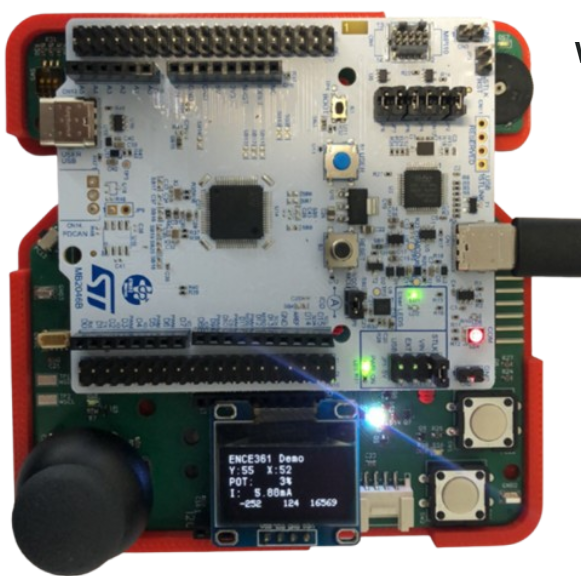
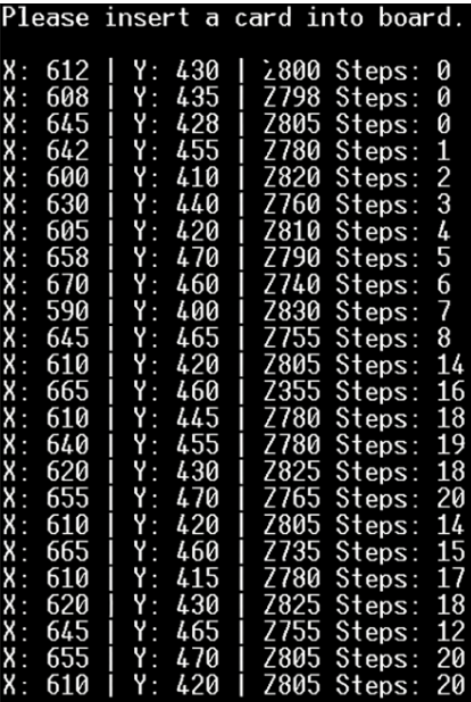
STM32 Nucleo step counter hardware STM32 step counter serial output

Embedded Firmware | STM32

STM32 Step Counter

What?

Developed a modular step counter on an STM32 Nucleo platform using onboard MEMS accelerometer data and real-time filtering.

How?

Designed an 8-tap moving average filter, threshold-based step detection, a 270 ms cooldown, and a cooperative scheduler with 50 Hz sampling. Video-logged trials reported greater than 95% step detection accuracy across varied walking speeds and holding positions.